Academia.eduAcademia.edu

Exploding Conductors

description6 papers
group1 follower
lightbulbAbout this topic
Exploding conductors refer to materials that undergo rapid phase transitions and explosive fragmentation when subjected to high electrical currents or electromagnetic forces. This phenomenon is studied in the context of material science and physics, particularly in relation to the behavior of conductive materials under extreme conditions.
lightbulbAbout this topic
Exploding conductors refer to materials that undergo rapid phase transitions and explosive fragmentation when subjected to high electrical currents or electromagnetic forces. This phenomenon is studied in the context of material science and physics, particularly in relation to the behavior of conductive materials under extreme conditions.

Key research themes

1. How do explosive electrical discharges in conductors generate shock waves and drive detonation processes?

This research area focuses on understanding the mechanisms by which rapid electrical energy deposition into conductors results in explosive vaporization and plasma formation, which subsequently generates strong shock waves. These shock waves can initiate detonation of surrounding explosives or cause material deformation. This understanding is critical for designing controlled detonators, explosive welding, or material processing using electrically exploded conductors. Key issues include the influence of wire material and geometry, energy deposition rates, and environmental conditions such as underwater or vacuum.

Key finding: The operation of exploding bridge-wire (EBW) detonators involves a rapid discharge of energy through a fine wire, creating a hot plasma emitting ultraviolet radiation on a ≈1 MW scale, which thermally initiates detonation of... Read more
Key finding: Underwater electrical explosions of single wires and planar wire arrays generate strong shock waves with velocities significantly influenced by the discharge regime—critically damped discharges produce more efficient shock... Read more
Key finding: Experimental and numerical results demonstrate the shock wave generated by underwater electrical wire explosion exhibits a two-stage velocity decrease: a fast initial decrease during the primary energy deposition (~1.5 μs)... Read more
Key finding: The study identifies threshold values of energy density and its rate required in underwater electrical explosions (UEWE) for overdamped discharge regimes, which maximize energy deposition into the exploding wire before its... Read more
Key finding: This work establishes explosive electron emission due to resistive heating of microscale cathode protrusions under high electric fields as the initiating mechanism for vacuum breakdown in RF accelerating structures. The... Read more

2. What are the underlying electrodynamic forces and transient processes driving conductor fragmentation under high-power current pulses?

This theme investigates the fundamental physics of conductor fragmentation during rapid current pulses, focusing on transient electromagnetic forces inside metallic lattices. It clarifies how radiation-induced dipole-dipole interactions create strong bipolar tensile forces that can exceed material strength, leading to fragmentation or fatigue. Understanding these forces aids in designing pulsed power systems and novel applications such as solid-state ion colliders or enhanced electrical explosion control.

Key finding: The paper derives a theoretical model for tensile forces inside thin wires subjected to transient high-power current pulses, treating the wire as a series of radiating Hertzian dipoles experiencing repulsive dipole-dipole... Read more

3. How can exploding conductors be used to study non-ideal detonation initiation and related explosive phenomena?

This theme covers the use of electrically exploded wires and conductors as initiators or experimental platforms for studying detonation initiation, propagation, and explosive behavior of heterogeneous energetic materials. It includes investigations on parameters influencing non-ideal explosive behavior such as ANFO and the coupling between electrical explosion and subsequent explosive shock initiation. These studies enhance the understanding of initiation mechanisms crucial for safe and efficient explosive device design and forensic analysis.

Key finding: Through combined experimental and numerical methods, including Lee-Tarver ignition and growth reactive flow models, the paper demonstrates that shock initiation and detonation velocity in ammonium nitrate fuel oil (ANFO)... Read more
Key finding: Using analytical models of shock pressure pulses generated by high-velocity projectile impacts, the study estimates energy transfer and initiation thresholds for detonation in explosives encased in metal shells. This... Read more
Key finding: The paper advances the kinetic and fluid theory of runaway electron breakdown in thunderstorms, demonstrating that seed energetic electrons initiate spatially nonuniform electron avalanches that accelerate under external... Read more

All papers in Exploding Conductors

A novel method for ionic collisions is presented based on a theoretical analysis of the long-standing wire fragmentation problem. Based on a Maxwellian approach of the transient electrodynamic forces we deduce a theoretical formula of the... more
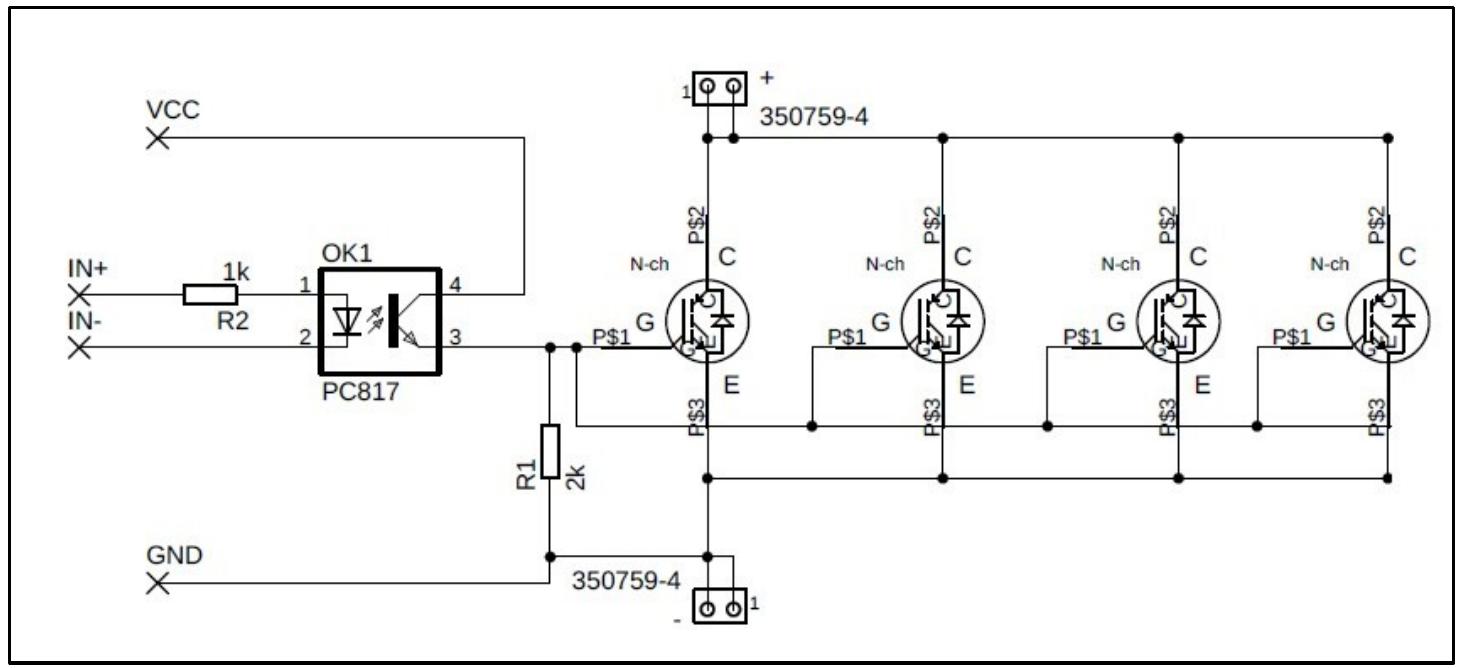
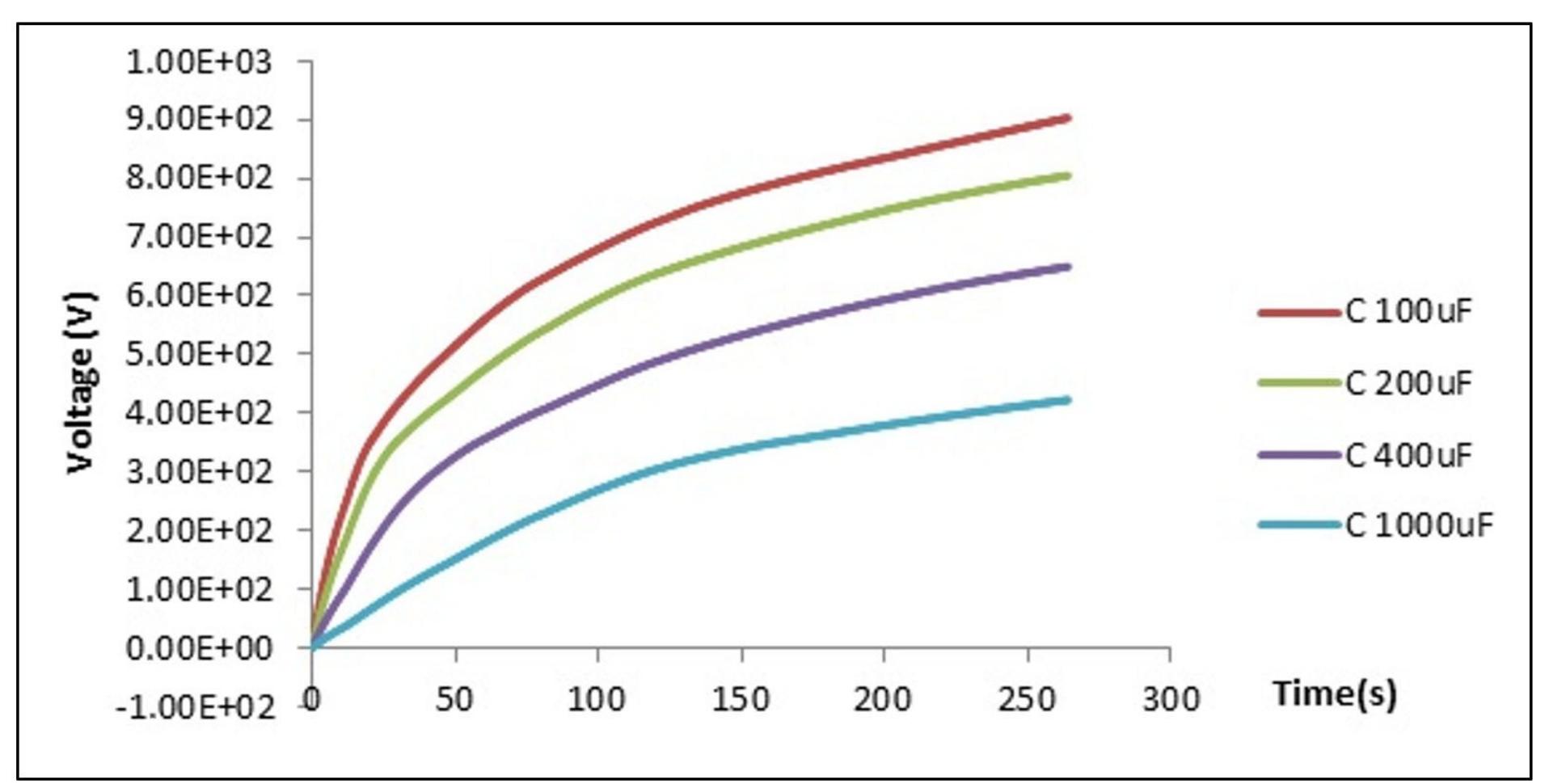
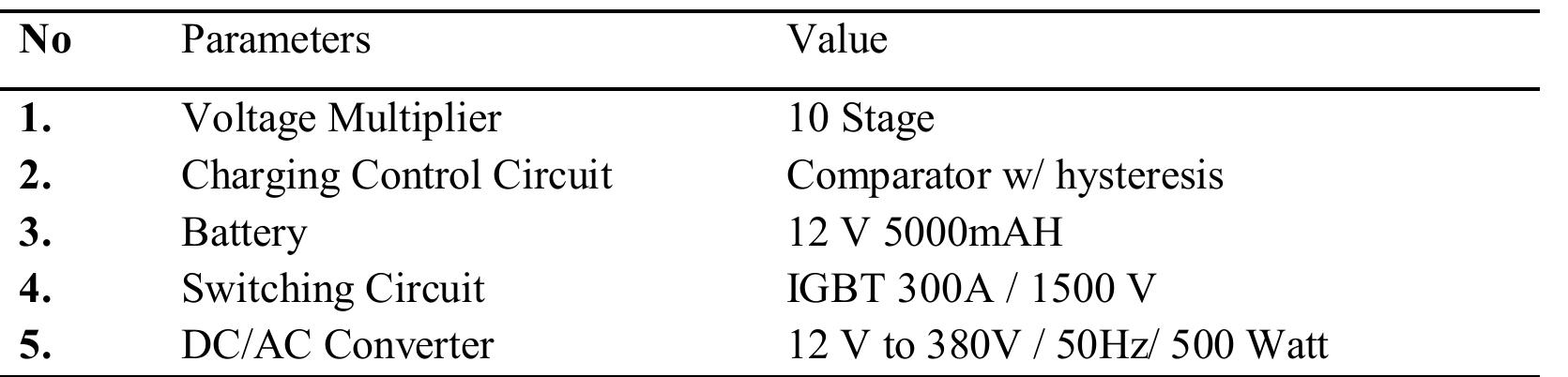
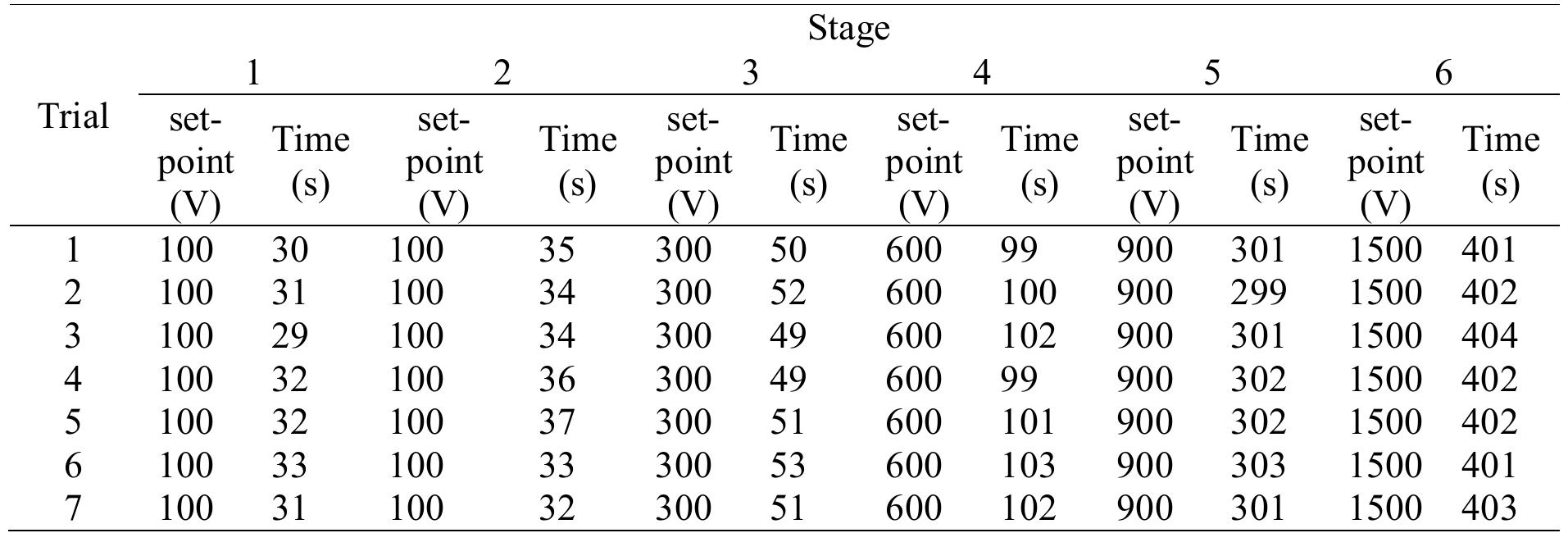
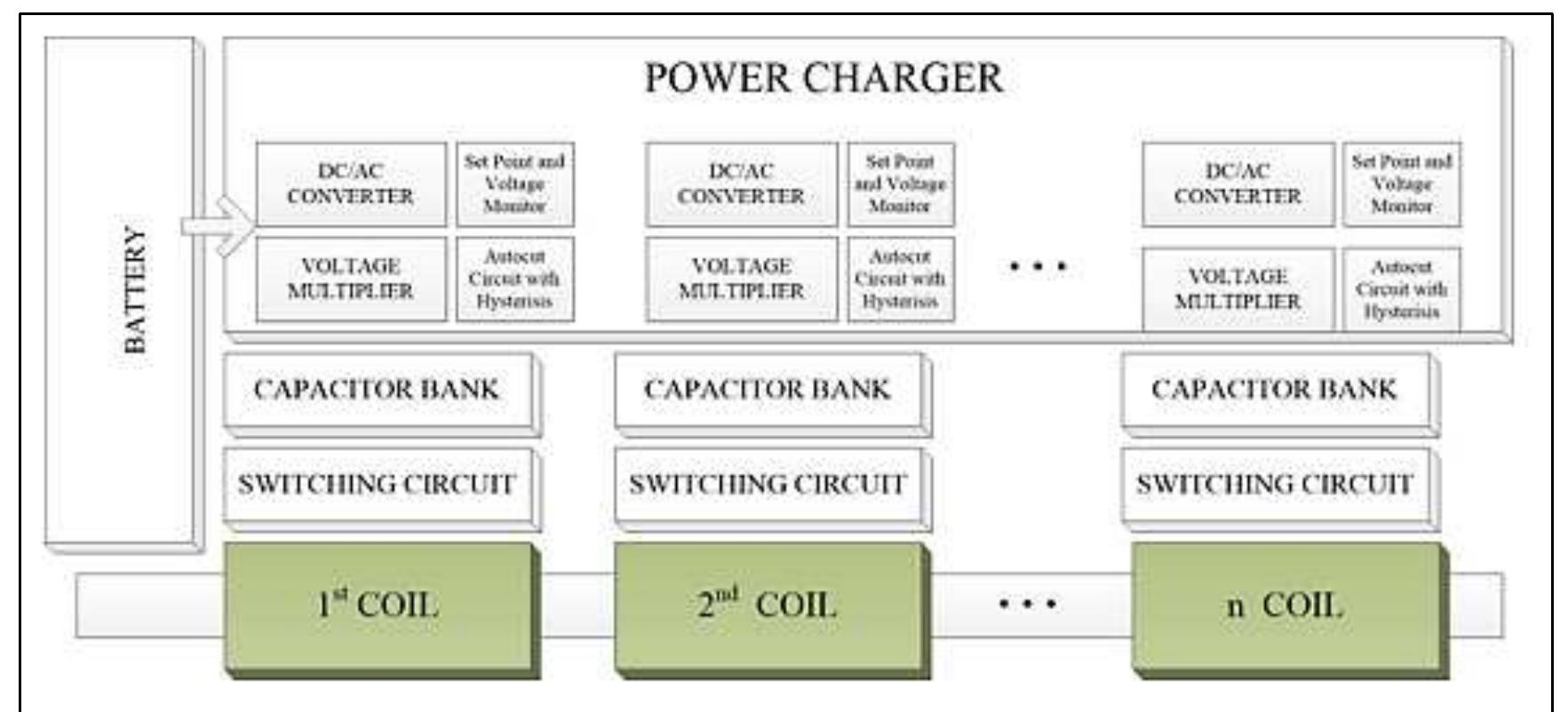
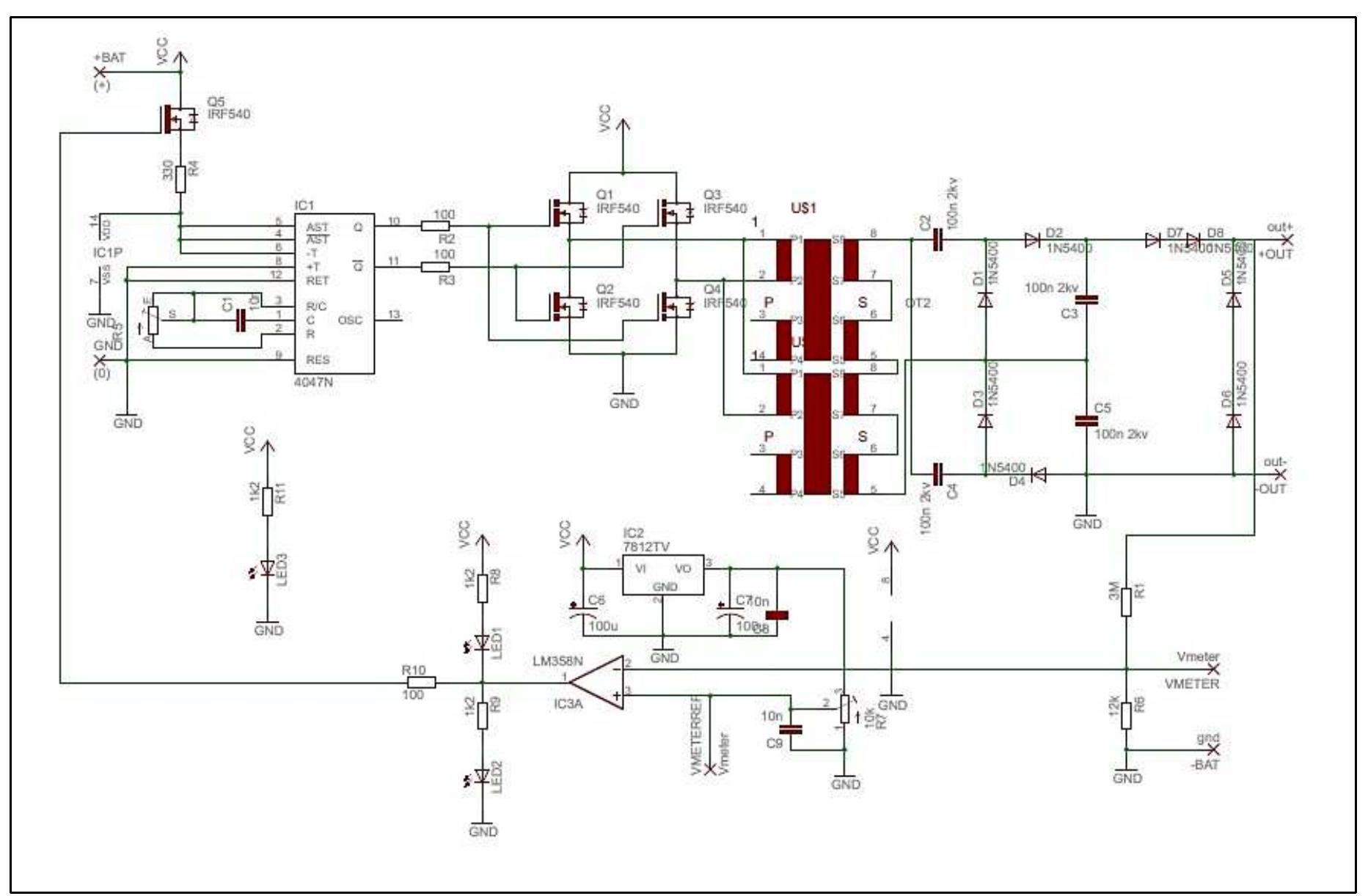
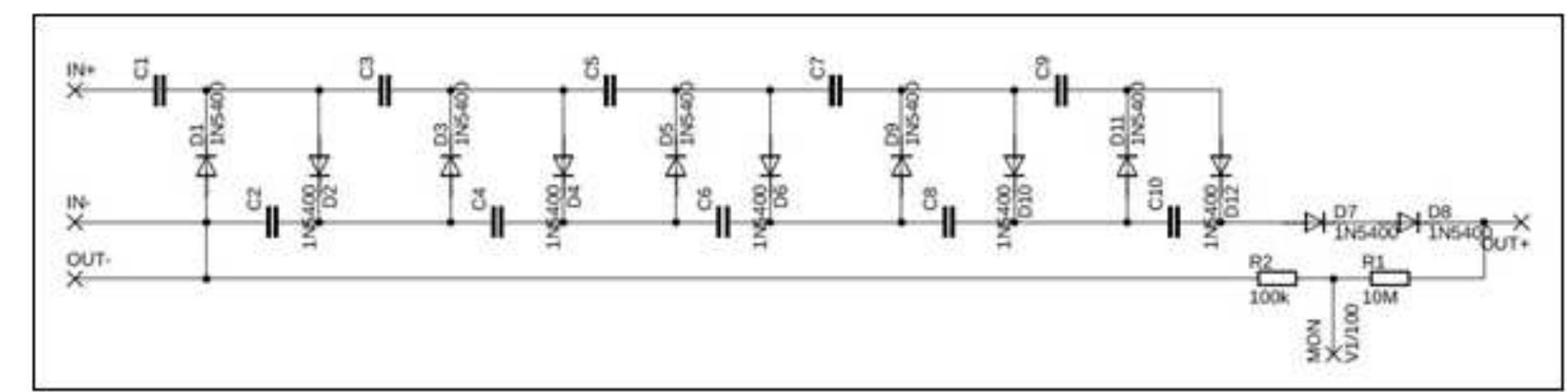
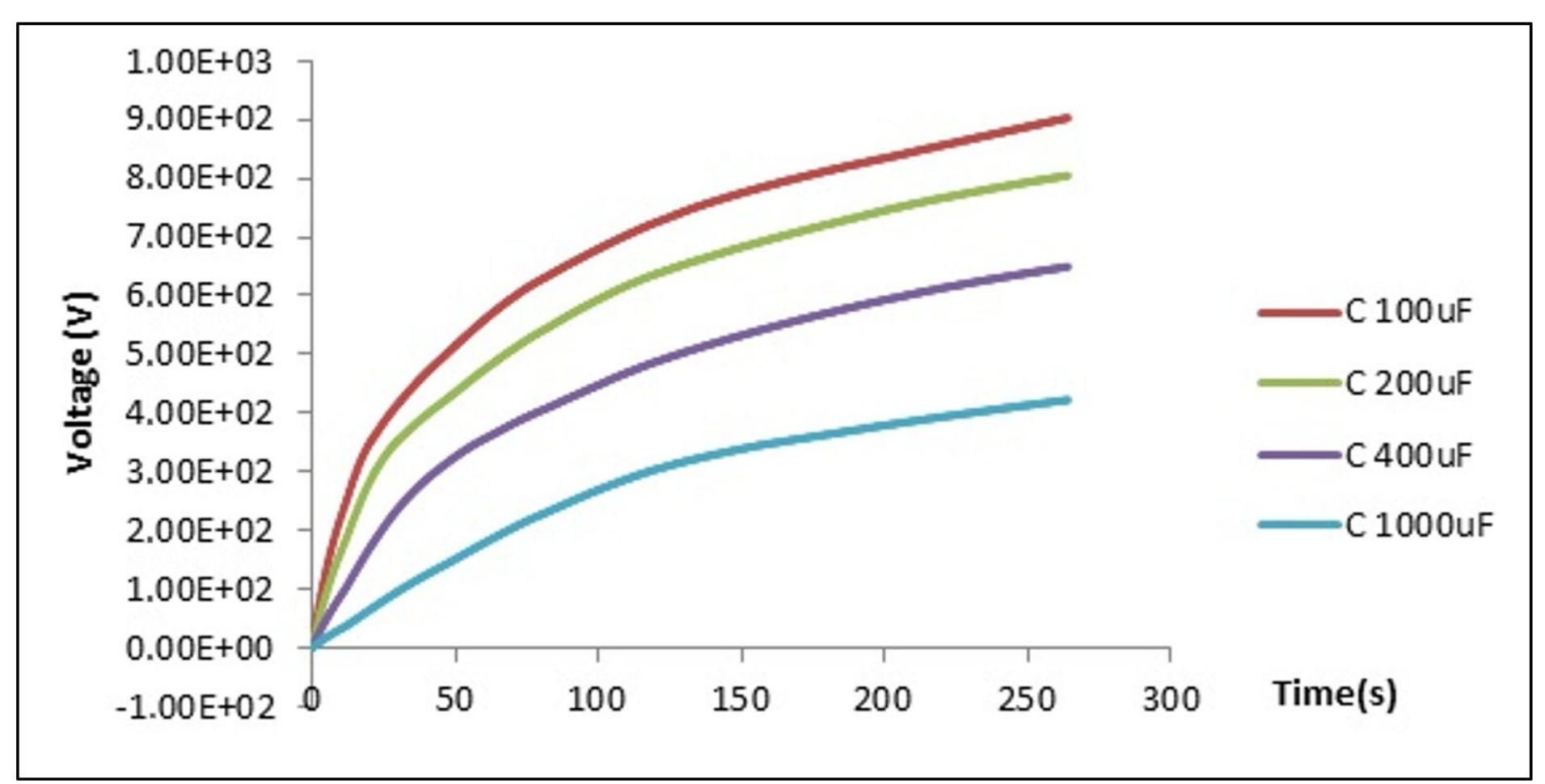
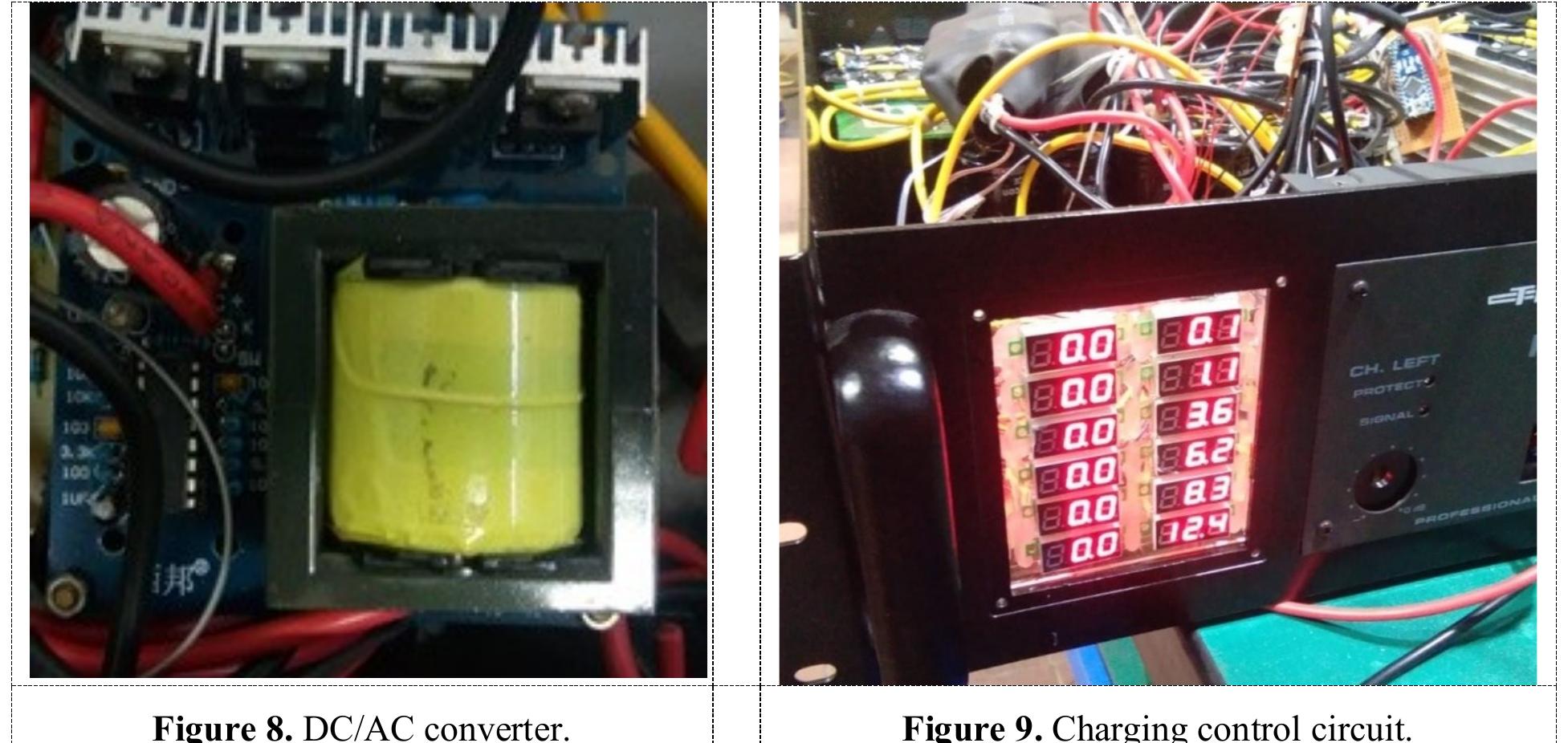
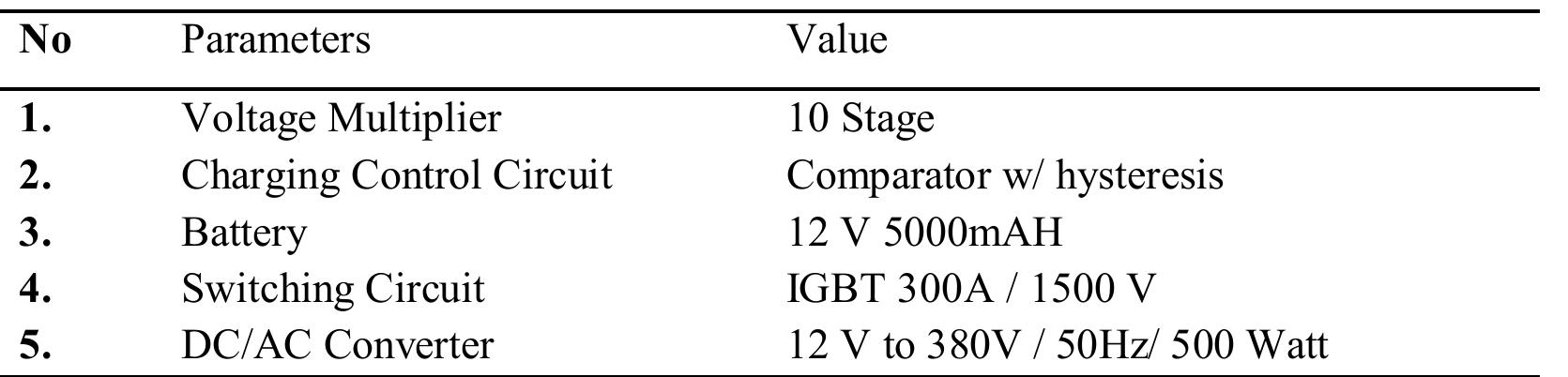
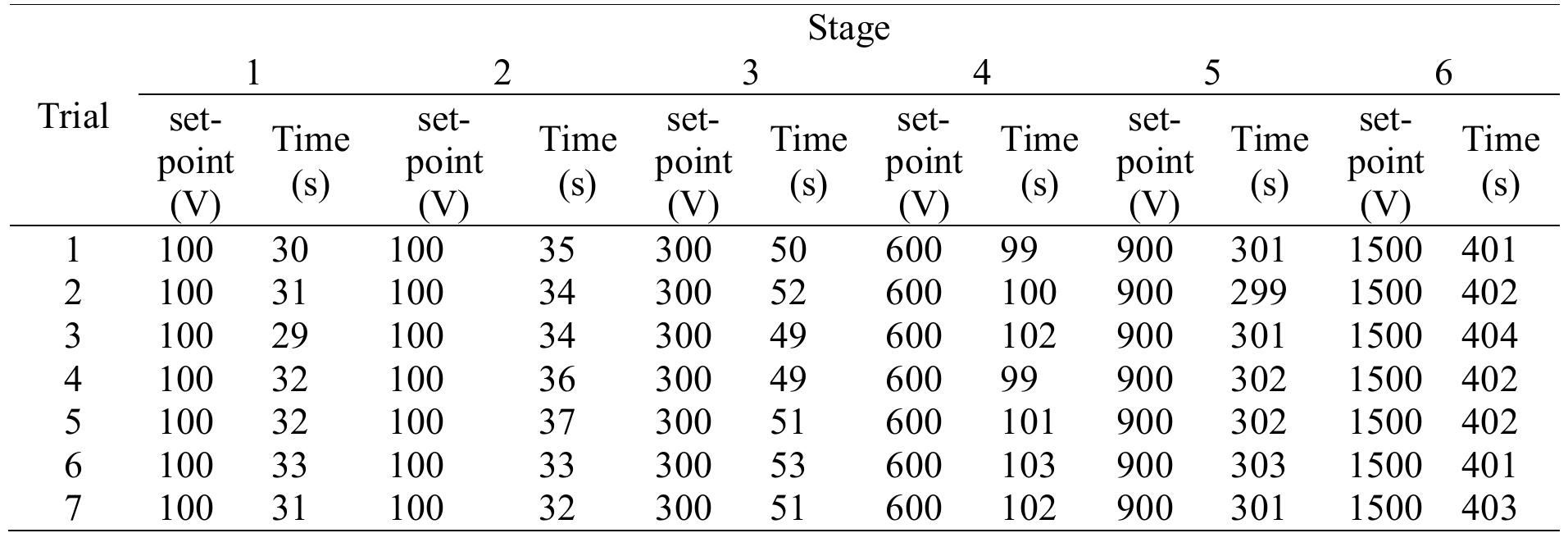
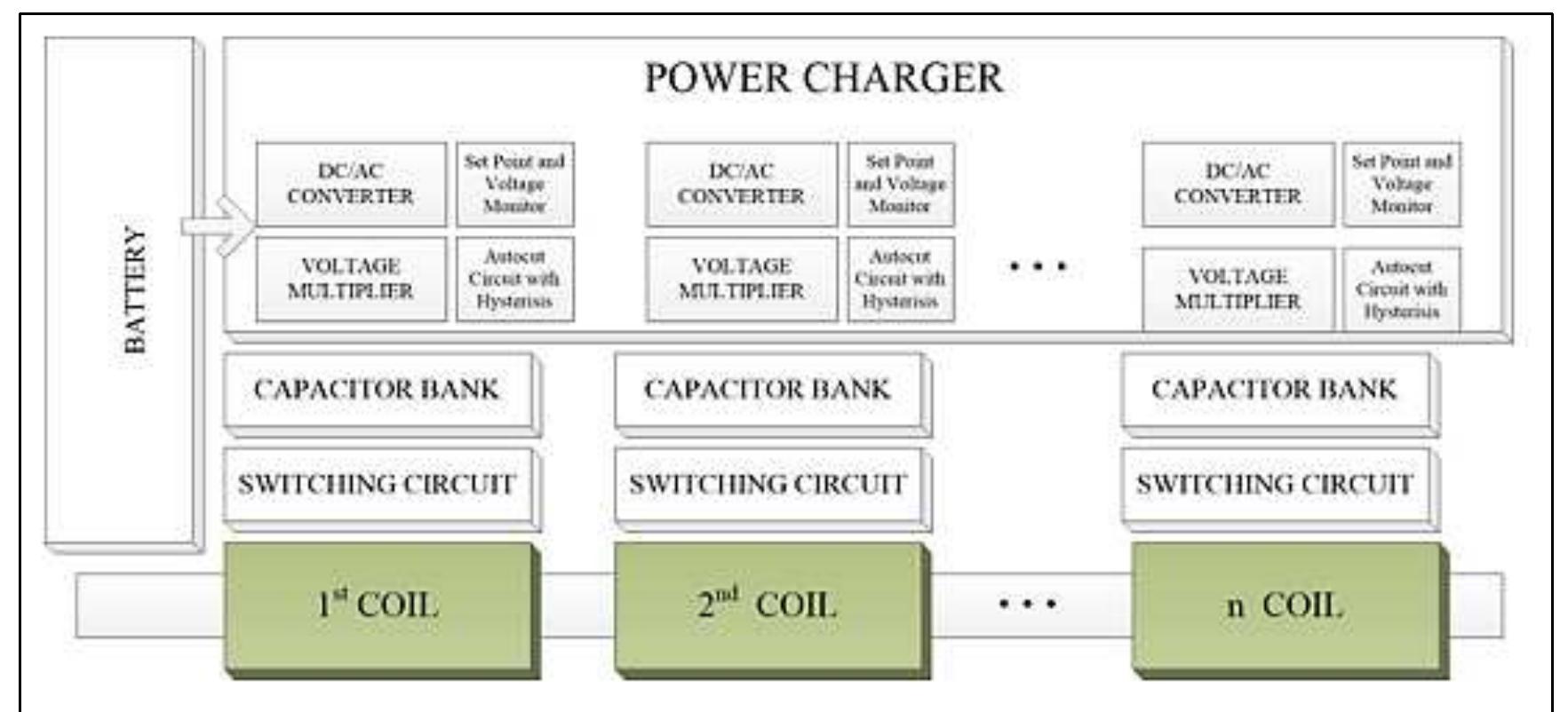
High voltage capacitor charging system applied for multi-stage coil consisting of a coil arrangement as a launcher and requires much energy to work. However, large currents and the high voltage required are very limited. High voltage... more
We present experimental evidence for the appearance of strong forces inside the lattice of metallic conductors in the phase of transient excitation by a sequence of high power, high voltage but low energy electrical pulses. influence of... more
A novel method for ionic collisions is presented based on a theoretical analysis of the long-standing wire fragmentation problem. Based on a Maxwellian approach of the transient electrodynamic forces we deduce a theoretical formula of the... more
In this article we present an alternative explanation of the phenomenon of wire fragmentation under high transient currents based on classical electromagnetism. We also explain how this phenomenon can be utilized as a primitive example of... more
High voltage capacitor charging system applied for multi-stage coil consisting of a coil arrangement as a launcher and requires much energy to work. However, large currents and the high voltage required are very limited. High voltage... more
In this article we present an alternative explanation of the phenomenon of wire fragmentation under high transient currents based on classical electromagnetism. We also explain how this phenomenon can be utilized as a primitive example of... more
In this article we present an alternative explanation of the phenomenon of wire fragmentation under high transient currents based on classical electromagnetism. We also explain how this phenomenon can be utilized as a primitive example... more
In this article we present an alternative explanation of the phenomenon of wire fragmentation under high transient currents based on classical electromagnetism. We also explain how this phenomenon can be utilized as a primitive example of... more
Download research papers for free!